

China Manufacturer of FFP2 Facemasks: Quality and Reliability
As a buyer in search of reliable protective equipment, I know how important it is to source high-quality FFP2 facemasks. That's why I turn to manufacturers in China, renowned for their advanced production techniques and stringent quality control. These facemasks offer superior filtration efficiency, ensuring maximum protection against airborne particles and pathogens. Crafted from durable materials, they’re designed for comfort during prolonged wear, making them perfect for both personal use and workplace environments. When purchasing, I appreciate the value of competitive pricing without compromising on quality, which is a hallmark of reputable Chinese manufacturers. Their commitment to innovation and sustainability further enhances the attractiveness of their products. If you’re seeking a dependable supply of FFP2 facemasks for your business needs, choosing a manufacturer from China could be your best decision. Experience the peace of mind that comes with superior protection and reliable supply.


Ffp2 Facemask Winning in 2025 From Concept to Delivery
As the world continues to navigate through the complexities of public health, the demand for high-quality personal protective equipment has surged. Among these, FFP2 facemasks stand out as a crucial component in the fight against airborne pathogens. The evolution of FFP2 facemasks from concept to delivery is not just a technical achievement but also a testament to the ability of manufacturers to respond to global health emergencies. In 2025, the market will reflect advanced innovations, enhanced comfort, and improved filtration efficiency. The journey begins with rigorous research and development, where concepts are translated into practical designs. Compliance with international standards ensures that these facemasks provide optimal protection. With advancements in materials science, manufacturers are now able to create masks that offer superior breathability without sacrificing filtration efficiency. This is vital for users who require prolonged wear, such as healthcare professionals and essential workers. Moreover, sustainable practices are increasingly influencing the production process. The shift towards eco-friendly materials and manufacturing techniques is gaining traction among conscious consumers and procurement managers. By embracing sustainability, manufacturers can not only meet regulatory requirements but also attract buyers who prioritize environmentally responsible products. As we look forward to 2025, the focus on innovation, quality, and sustainability will redefine the standards of FFP2 facemasks, positioning them as an essential part of global health strategies.
Ffp2 Facemask Winning in 2025 From Concept to Delivery
| Phase | Description | Key Milestones | Timeline | Stakeholders |
|---|---|---|---|---|
| Concept Development | Initial design and research for protective features. | Design Approval | Q1 2023 | Design Team, Safety Experts |
| Prototype Testing | Creating samples for lab and field testing. | Successful Testing Reports | Q3 2023 | R&D Team, Medical Professionals |
| Manufacturing Planning | Establishing production processes and quality control. | Production Line Setup | Q1 2024 | Manufacturing Team, Quality Inspectors |
| Market Launch | Official launching of the FFP2 facemask to consumers. | Launch Event | Q3 2025 | Marketing Team, Sales Partners |
| Customer Feedback & Iteration | Collecting user feedback for product improvements. | Feedback Collection Reports | Q4 2025 | Customer Service, R&D Team |
Related Products

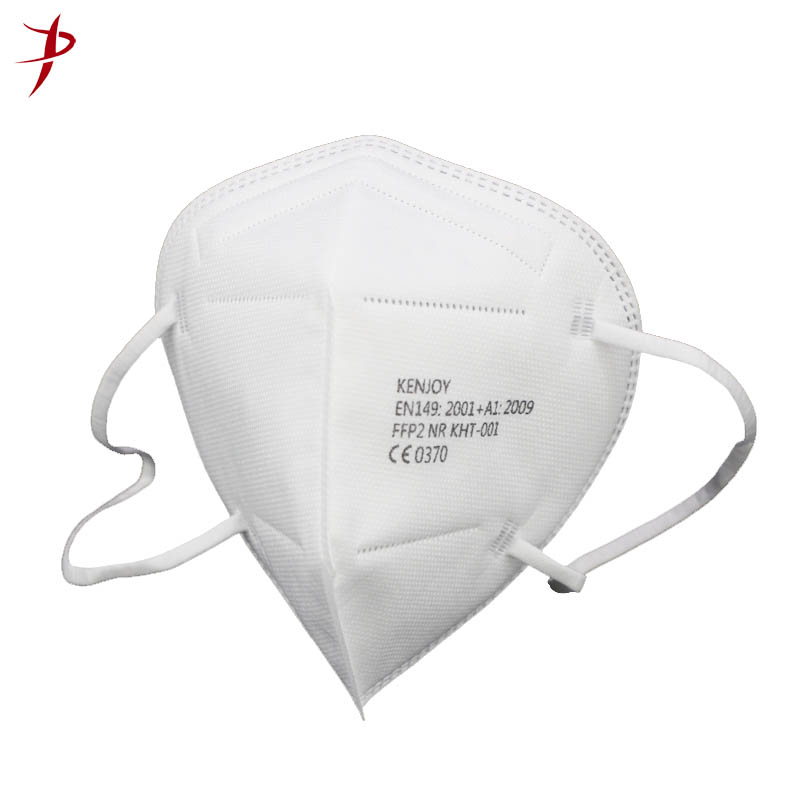


Ffp2 Facemask Trusted by Pros Sets the Industry Standard
Top Selling Products


- Related Blog
- Reviews
